

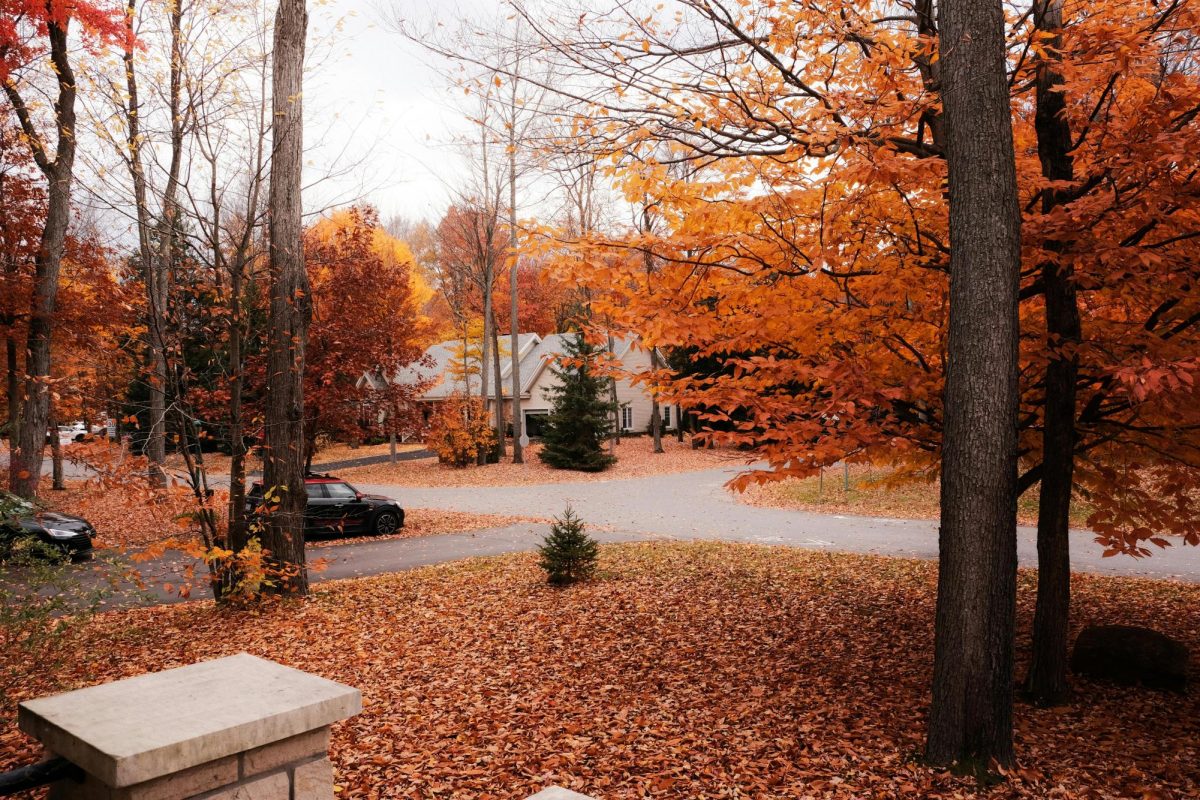
This time of year, even as the leaves release their resplendent charms, and the late autumn wind makes music in the low branches, let’s be honest: sometimes, you just want to stay in. As beautiful as the shift from summer into fall is, it gets easier and easier to shun the cold for the comfort of just-boiled tea, and a good read. So, as the sun begins to hide her face more and more, if you’re looking for something to fill the long hours spent indoors, consider these poems and poetry anthologies to get you through the throes of fall.
For anyone who’s ever wanted to see the reds and yellows of the season immortalized into verse, they can be assured that Patrick Kavanagh has taken up that responsibility. In his work, the 20th century Irish poet returns again and again to the soft wonders of autumn, with poems like “October,” “On Raglan Road” or “Canal Bank Walk.” In each one, he is careful to expound upon the “leafy yellowness” of fall, no matter how “habitual” or “banal” the changing of seasons may begin to feel. If you would like to walk with him on that “arboreal street on the edge of a town,” consider listening to Kavanagh’s spoken word album “Almost Everything,” narrated by famous Irish artists such as Bono, Hozier and Liam Neeson.
If you enjoy Kavanagh’s respect for the mundane and want even more, you might turn to former poet laureate of Maryland Linda Pastan, known for her exalting of the everyday. In her poems, “The Apple Shrine,” “Apple Season in a Time of War” or “In the Orchard,” Pastan allows the reader to respect “the way the seasons/heal each other, one month at a time,” glorifying what we may very often take for granted. While “the leaves continue to fall,” it’s good to remember they only don their golden dress once a year. During this season, consider reading one of Pastan’s many poetry collections, such as “Traveling Light,” containing poems like “In the Forest” and its fascination with “the whole minor key” of autumn.
If you do not seek the mundane in poetry and prefer the lyrical language of the profound, the works of Joan Naviyuk Kane embody active, often metamorphosing themes. Kane uses the cold imagery of late fall and winter in works like “Gray Eraser” and “Milk Black Carbon.” Perhaps stemming from her upbringing in arctic Alaska, this Inupiaq author illustrates the way she “wake[s] missing the cold, fresh sound of new snow” across poetry collections like her 2013 publication “Hyperboreal.” This collection handles topics like the displacement of indigenous culture, and it also deals with the hope associated with embracing that culture whenever possible. Kane describes herself by writing “against loss,” a profound sentiment which appears throughout her work.
Whether you are drawn to the simple falling of leaves, the healing of nature or the snows of late autumn, consider turning to poetry the next time you find yourself inclined to stay in. There is no limit to the documenting of autumn’s beauty in writing. When you start running low on tea, perhaps even try writing a poem or two of your own to stay warm.


