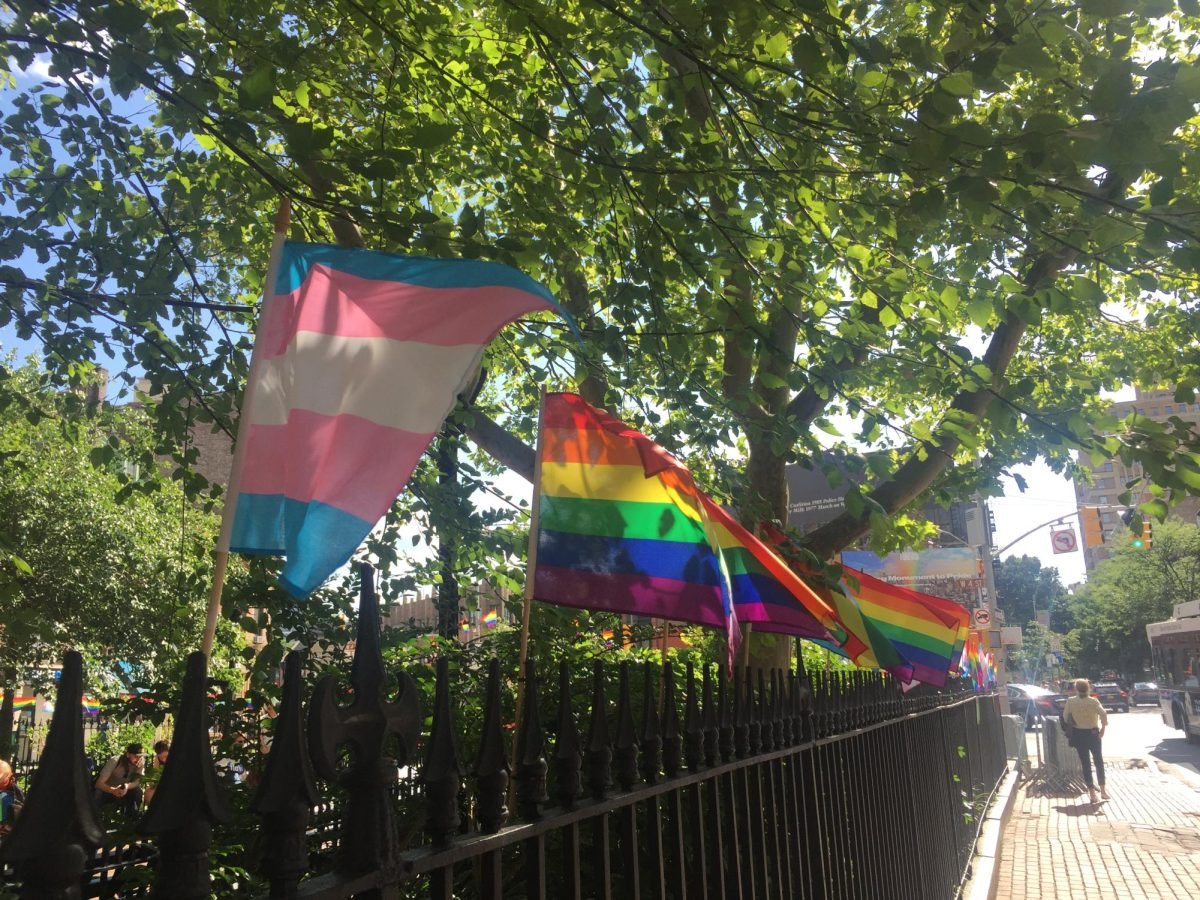
On April 13, 2026, two months after the initial removal of the rainbow pride flag from the Stonewall National Monument, the Trump Administration agreed to settle a lawsuit, allowing it to resume flying at the site.
In early February, the flag was noted missing by volunteers after park management confirmed that they had no awareness of a plan for its removal. After outrage sparked, the National Park Service (NPS) claimed that only the American flag and other authorized flags, with few exceptions, are permitted to be flown in national parks managed by the agency.
In addition to this, NPS made changes to its webpage about the Stonewall Inn riots in 1969, including the removal of the word “transgender.” These changes occur following diversity, equity and inclusion (DEI) rollbacks, changes to government websites to exclude mention of minority groups and changes to laws regarding identification in immigration enforcement.
Protestors gathered in New York City in response to the removal of the flag and changes to the site. New York-based advocacy groups such as the Gilbert Baker Foundation, Village Preservation and Equality New York filed a lawsuit against the U.S. Department of the Interior and the National Park service following the initial removal.
The groups claimed that the government’s actions illegally targeted the LGBTQ+ community specifically and that the flag at Stonewall provides historical context, making it an exception to the flag authorization, according to policy. The settlement was ruled by a New York judge in favor of the advocacy groups, deeming it within law and NPS policy.
Andrew Berman, Executive Director of Village Preservation, stated, “the removal of the Pride flag from Stonewall was an attempt to erase LGBTQ+ history and undermine the rule of law. This settlement restores both.”
A University student who chose to remain anonymous but identifies as queer shared thoughts on the importance of the monument as a historical symbol.
“Our history is so important to who we are as a people. When government tries to erase our history, they try to erase us,” the student said. “Without our history, we don’t know who we are, and we don’t know where we came from.”
In the settlement, the administration agreed to rehang the flag on the monument’s official flagpole, where it is to remain permanently.