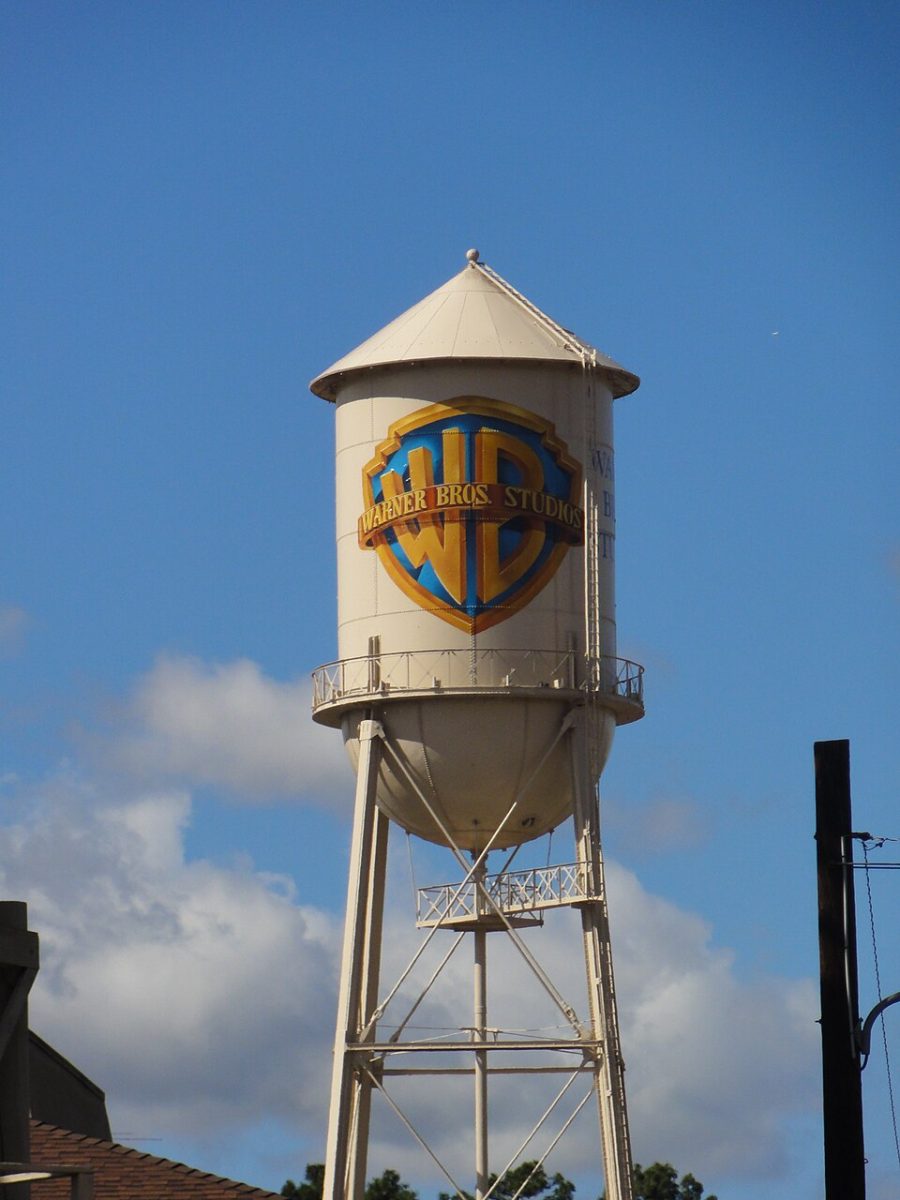
As of late Feb. 2026, the bidding war between Netflix and Paramount Skydance for acquisition of the media giant Warner Bros. Discovery (WBD) has ended in Paramount’s success.
In response, film industry experts and government officials alike have questioned the intentions behind the deal.
As outlined in the deal, Paramount will pay $31 per share for all outstanding shares of Warner Bros. Discovery, outbidding Netflix with a $111 billion mega deal. Paramount Skydance hopes to finalize the deal by September of 2026, with an incentive of a $0.25 share “ticking fee” promised to Warner Bros. for every quarter the deal has not closed.
David Ellision, Chairman and CEO of Paramount, said the pursuit for Warner Bros. Discovery was rooted in wanting to build a next-generation media and entertainment company, while honoring the history of WBD.
In response, the President and CEO of WBD, David Zaslav regarded the deal in a positive light, as the company’s “guiding principle throughout this process has been to secure a transaction that maximizes the value of our iconic assets and our century-old studio while delivering as much certainty as possible for our investors.”
Despite the two CEO’s seeming relatively happy with the deal, why are some in the film industry worried?
The Ellison name has stayed prominent in headlines since 2025. Throughout last year, David’s father, Larry Ellison, the co-founder and executive chairman of billionaire technological corporation Oracle, emerged as one of President Donald Trump’s confidants.
In this position, Ellison has been by President Trump’s side when signing the executive order removing regulations for artificial intelligence, which directly benefits Oracle as a company leading AI infrastructure.
This is only the newest addition to the growing accusation of media companies bending to President Trump’s favor. After Trump’s approval of Brendan Carr as the nation’s leading broadcast regulator in 2024, Carr has shown his alliance with the President by targeting those who report, criticize, and satirize Trump or his actions.
As media companies felt the pressure from Trump, they fell in line.
In July of 2025, Paramount settled the $16 million suit with Trump, who claimed CBS edited a “60 Minutes” interview with former Vice President Kamala Harris to intentionally mislead the public and paint her in a better light amid the 2024 election.
Simultaneously, Steven Colbert announced that CBS would be ending The Late Show in May of 2026. Days earlier, Colbert, a loud Trump critic, criticized Paramount for paying the settlement.
Despite the company stating the decision was purely financial, Democrats like Sen. Elizabeth Warren of Massachusetts, Sen. Edward Markey of Massachusetts, and Sen. Adam Schiff of California displayed skepticism of this reasoning due to the timing of the decision.
The Writers Guild of America even called for the New York state attorney general to conduct an investigation on the cancellation, with concerns that the cancellation was a bribe to favor the FCC and Trump administration amid pending merger approval.
At the same time, Paramount was trying to secure its $8.4 million merger deal with Skydance, which needed Brendan Carr’s approval.
After David Ellision’s acquisition of Paramount Skydance, he hand picked Bari Weiss for editor-in-chief of CBS News.
After pulling an investigative segment on human rights abuses reported by men deported by the Trump Administration to El Salvador before it was aired, Bari Weiss stated that the segment would be released after comments from the administration.
So, Paramount Skydance and its networks are in the hands of Trump allies, the Ellisons, who have already internally restructured Paramount and CBS News with Trump-favored leadership.
In addition, the FCC is led by Trump ally Brendan Carr, who has already used his power to influence media networks to follow his desired direction.
In response to Netflix pulling out of the bidding war after meeting with President Trump, Sen. Elizabeth Warren of Massachusetts and two other Democratic lawmakers wrote a letter to Attorney General Pam Bondi, expressing concerns that Trump officials used “closed-door meetings” to sway Netflix’s bid so that Paramount Skydance won WBD.
Moreover, these lawmakers raised concerns that the Department of Justice is making merger review decisions based on political favoritism, pressing for clarity on the matter.
However, Netflix CEO Ted Sarandos stated that the decision to pull out was purely financial, as the raise in bid by Paramount was not “financially attractive” to match.
Amid the loss of editorial independence, similar changes seen at CBS are expected within WBD’s affiliate networks, as well as internal restructuring in the form of layoffs.
In an interview with NPR post deal, documentary filmmaker and step-grandson of Jack Warner of Warner Bros., Greggory Orr worries that jobs will be cut, and Warner Bros. will be raided to boost Paramount and Skydance.
In a statement, Ellison promised that the merged studios will put out 30 films a year, with plans to spend more on the creation of films than any other media company.
The promise of 30 films a year is a stark jump from the eight movies released by Paramount and 11 released by Warner Bros. in 2025.
Is this production increase possible? Film industry experts are skeptical.
According to Cinema United, studio consolidations have historically led to less movies being made. This leads to greater concerns from those in the film industry, who have also noticed that corporate consolidations lead to increased prices, lower wages, lower competition, and lower quality of films.
On March 5, 2026, David Ellison made an appearance at the Warners Lot, with executives hoping to receive some semblance of relief amid all the concerns regarding internal changes. After this meeting, executives told the Hollywood Reporter that the uncertainty of what’s to come was not quelled.
After being asked about editorial independence amid the situations with CBS News, Ellison highlighted the importance of maintaining free speech principles for networks like CNN, referring to the restructured CBS News as an example of editorial independence under Bari Weiss.
At this point, the deal has not been fully secured, as the acquisition faces growing calls for antitrust scrutiny.