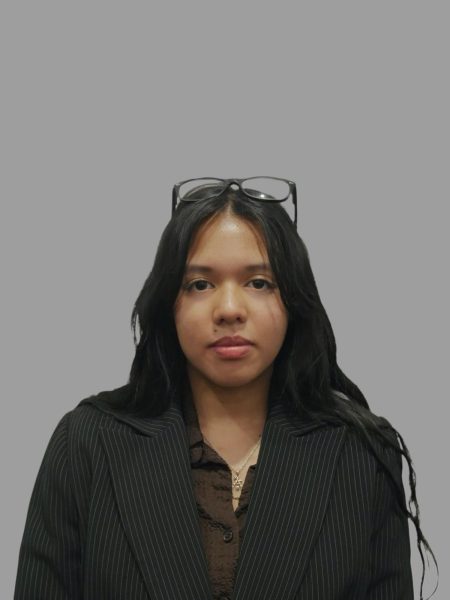
The Pace PURLS, or Peer Undergraduate Research Leaders, is a new club at the University intended to create an interdisciplinary community for undergraduate research, connecting students to one another through their research and highlighting four principles; connection, advocacy, mentorship, and awareness. I met with Molly Dunne, President of the club along with her Vice President, Emilia Gillen, to discuss their club’s initiative, upcoming events and inspiration for creating this club.
Dunne emphasizes the need to advocate for student research opportunities at the University, “especially in an academic environment where research is being defunded, and opportunities are being taken away.” She also explains mentorship, how their goal is to have students who have prior experience to guide and support those who are new to research in a friendly environment.
Gillen expresses the necessity of access in research. “Access is a really big thing for us, anyone can do research no matter what your major is, where you are. It can seem very scary if you’re not familiar with it, so we like to prioritize access.” Gillen states. Everyone on the board has been a part of research at the University in some sort of way. They’ve gone to national conferences and campus conferences and would like to share those opportunities with their peers.
Connection is really important in this club, as Dunne states “We want our legacy to be a growing connection through the school between faculty and students, and between students in different disciplines as well.” Their goal is to build and expand a research hub, improving the University’s reputation in research and growing involvement and community on campus. There are many opportunities that students don’t realize unless they come into contact with a specific teacher. “We’re trying to break that bubble. It’s because of that bubble that people aren’t realizing the different opportunities that are here for them,” Dunne said.
The Pace PURLS have several events to look forward to this semester. As mentioned by Gillen, they strive to connect students and faculty together, and host faculty presentations every semester. In the upcoming weeks, Dr. Maria Iacullo-Bird and Dr. Sid Ray will be discussing a new grant given to them by the center for independent colleges, set to explore the history of slavery in lower Manhattan. This grant will provide new classes and possible summer research opportunities. There will also be a zine workshop coming up after spring break, presenting how to bring creative inquiry into research and finding interesting ways in communicating new ideas and expressing research. Students can go make a zine about any research process or topic they choose.
The PURLS have a round table session at the Society of Fellows explaining their goals at PURLS, advocating for the Society of Fellows and how interdisciplinary the event is. Students can attend even if they are not presenting their work and connect over research. The club also promotes the University’s’ “research day” in May, where any student researchers can share their work in poster form. “Go and apply! If you’ve done any research in and outside class, please present it. We will also have our own plenary and table, it would be great to see people show up!” Dunne said.
The club’s regular meeting times are bi-weekly on Thursdays during common hours, 3:30-4:30 p.m. To contact the club, you can email them at [email protected], or reach out through Instagram, @pacepurls.